
Lapa is one of Lisbon’s most distinguished and sophisticated areas, perched atop one of the city’s seven hills with stunning views of the Tagus River, the 25 de Abril Bridge, and the Cristo Rei monument. Though small — less than one square kilometer and home to about 8,000 residents — it boasts the highest per capita income in Lisbon.
Lapa is primarily a residential neighborhood, offering a refined selection of restaurants, cafés, and small shops. It doesn’t share the same nightlife intensity as some of Lisbon’s trendier districts, but its prestige, prime location, and tranquil atmosphere make it one of the best places to live in the Portuguese capital.
Officially, Lapa is no longer recognized as a separate parish, having been incorporated into the Estrela district. Still, locals continue to refer to it as “Lapa” because of its distinct character. The neighborhood is known for its embassies, elegant mansions, and quiet streets — a serene residential enclave compared to the more bohemian vibe found in parts of Lisbon. Estrela itself stands out for landmarks such as the Basilica da Estrela and the Jardim da Estrela, offering a slightly livelier atmosphere while remaining largely residential.
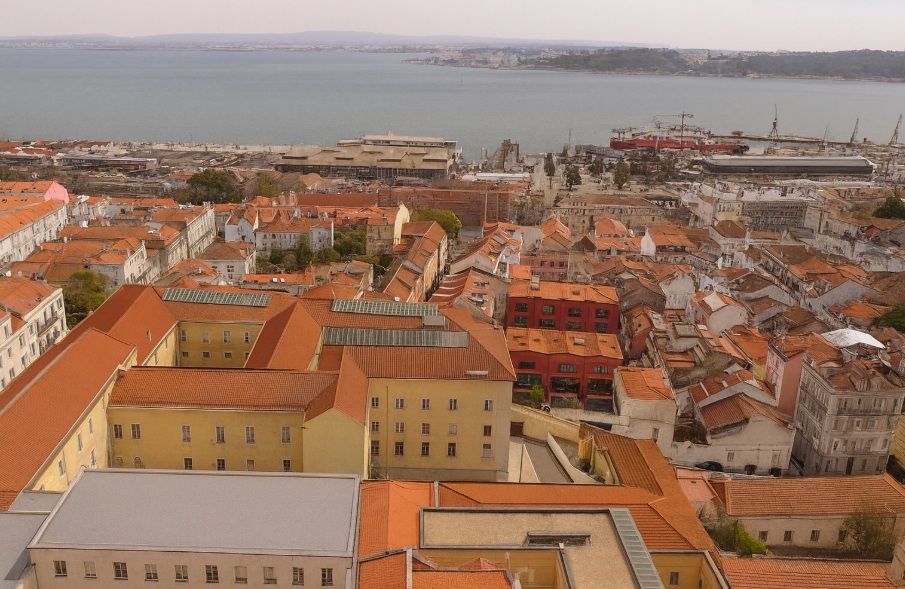
The Origins of Lapa
Exploring the origins of Lapa is a fascinating journey into Portuguese history, revealing the deep influence of religious orders in shaping Lisbon’s urban landscape.
Over the centuries, religious congregations accumulated remarkable urban-planning knowledge through the management of vast lands granted to them and the organization of nearby settlements. They often used a system known as “aforamento” — a contract granting other parties the right to use church-owned land in exchange for a periodic payment called “foro.” This process led to the creation of new residential areas around convents, with careful planning of streets, building types, and architectural details such as courtyards and window designs.
This expertise became vital after the 1755 earthquake, when the Portuguese Crown called upon these religious institutions to assist in Lisbon’s reconstruction and expansion into less developed zones. One of the most significant land developments was led by the nuns of the Convent of Nossa Senhora da Soledade, known as the Trinas, on farmland adjacent to the convent — the very site where Lapa now stands.
The historian José Sarmento de Matos explored the Trinas’ pivotal role in the neighborhood’s formation in his 1994 book “Uma Casa na Lapa.”
The Contribution of the Trinas Nuns
Under the orders of the Marquis of Pombal, Lisbon’s reconstruction was meant to follow strict rules. Buildings were to be temporary, made of light materials like wood, since fear of new earthquakes discouraged masonry structures that were heavier and slower to build.
Defying those guidelines, the Trinas nuns chose to build with stone and lime, establishing the foundations for what would become the elegant and enduring neighborhood of Lapa.
Initially, the plots were sold to middle-class families rather than to the nobility or the Crown, which helped shape Lapa’s unique character. Over the centuries, the area evolved into a symbol of prestige and exclusivity. Today, Lapa retains its historic charm — a blend of centuries-old tradition, refined architecture, and a peaceful atmosphere in the heart of Lisbon.
Quality of Life and Exclusivity
Living in Lapa is synonymous with comfort and quality of life. The neighborhood is cosidered one of the most sophisticated in lisbon and known for its safety, tranquility, and excellent infrastructure. Its prime location near the Tagus River and close to other central districts — such as Santos and Estrela — makes it one of the most convenient and desirable places to live in the city.
Lapa also offers outstanding services, including international schools, local markets, and high-end restaurants. For those who enjoy green spaces, it’s just minutes from Jardim da Estrela, one of Lisbon’s most beautiful parks.
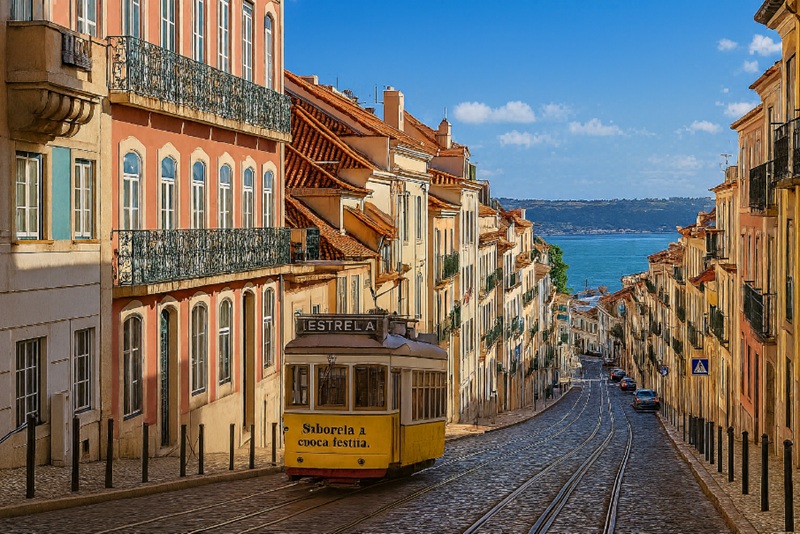
Real Estate Market
Lapa’s real estate market is firmly positioned in the luxury segment, featuring elegant apartments in historic buildings, private townhouses, and even restored palaces. Demand remains strong among both local residents and international buyers attracted by the area’s charm, security, and investment potential.
Many investors also recognize Lapa’s solid rental market, particularly for luxury long-term leases, driven by the growing demand for high-end properties in Lisbon.
Culture and Lifestyle
Lapa also breathes culture. The neighborhood is home to the National Museum of Ancient Art, one of Portugal’s most important institutions, along with several historical landmarks and cultural sites. Its proximity to the Tagus River provides endless opportunities for scenic walks and breathtaking views.
Why Choose Lapa
Whether for living or investing, Lapa is one of Lisbon’s finest choices — combining exclusivity, quality of life, and timeless sophistication. Its steady real estate appreciation makes it one of the most sought-after neighborhoods in Portugal’s capital.
If you’d like to explore properties in Lapa, CAP International is here to help. With expertise in Portugal’s luxury real estate market, we offer a personalized service to help you find the perfect home or investment opportunity.